
Diabetic Neuropathy is one of the most common yet often overlooked complications of diabetes patients. It refers to nerve damage caused by high blood sugar levels over time, which can affect different parts of the body.
This condition not only leads to pain, tingling, or numbness especially in the hands and feet, but can also impact digestion, heart health, and overall quality of life.
Many people with diabetes are unaware they have nerve damage until symptoms become severe, making early awareness and management extremely important.
Understanding the causes, symptoms, and available treatments of Diabetic Neuropathy can help in preventing further complications and maintaining a healthier lifestyle.
In this article, we’ll explore everything you need to know about this condition and practical ways to manage it effectively.
What is Diabetic Neuropathy?
Diabetic Neuropathy is a type of nerve damage that develops in people suffering with diabetes. High and uncontrolled blood sugar levels damage your nerves and slow down the blood circulation.
Most commonly it effects “Legs & Feet” in this condition can cause symptoms like numbness, tingling, burning pain, or weakness, making daily activities difficult and sometimes dangerous due to reduced sensation.

It can also affect digestion, urinary function, heart health, and your overall health. It can be treatable if early detection, blood sugar control, and proper treatment are key to slowing its progression and improving quality of life.
Causes of Diabetic Neuropathy
The main cause of Diabetic Neuropathy is prolonged high blood sugar, which damages the tiny blood vessels that supply oxygen and nutrients to the nerves.
Here are few factors that make the condition worse.
- High blood pressure
- High cholesterol
- Obesity
- Smoking
These all factors contributes to poor circulation and nerve injury.

Common Symptoms of Diabetic Neuropathy
Diabetic Neuropathy can show up in different ways, depending on which nerves are affected.
The most common symptoms include:
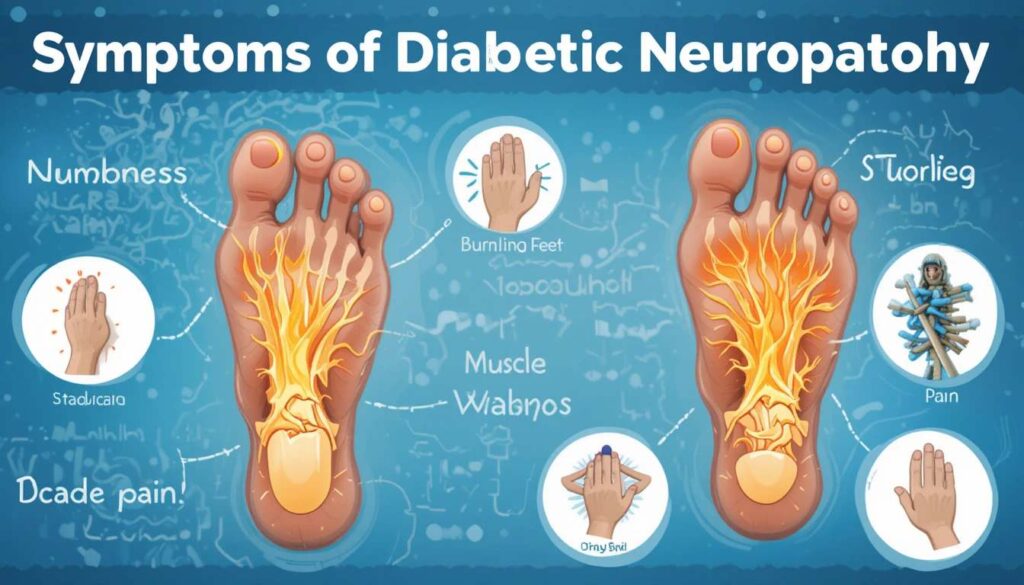
- Numbness (The condition where the patient loss sensation in the feet)
- Tingling (The condition where the patient feel pins and needles in the feet)
- Burning (The condition where the patient feel burning in the hands and fee).
Some people may experience sharp, stabbing pain or extreme sensitivity to touch, while others lose feeling completely, which increases the risk of unnoticed injuries.
If a patient lose feeling completely in the feet and hand, it can be very dangerous because unnoticed injuries can lead to foot ulcers and foot infections.
Diabetic neuropathy is treatable if making regular checkups crucial for timely diagnosis and management.
Types of Diabetic Neuropathy
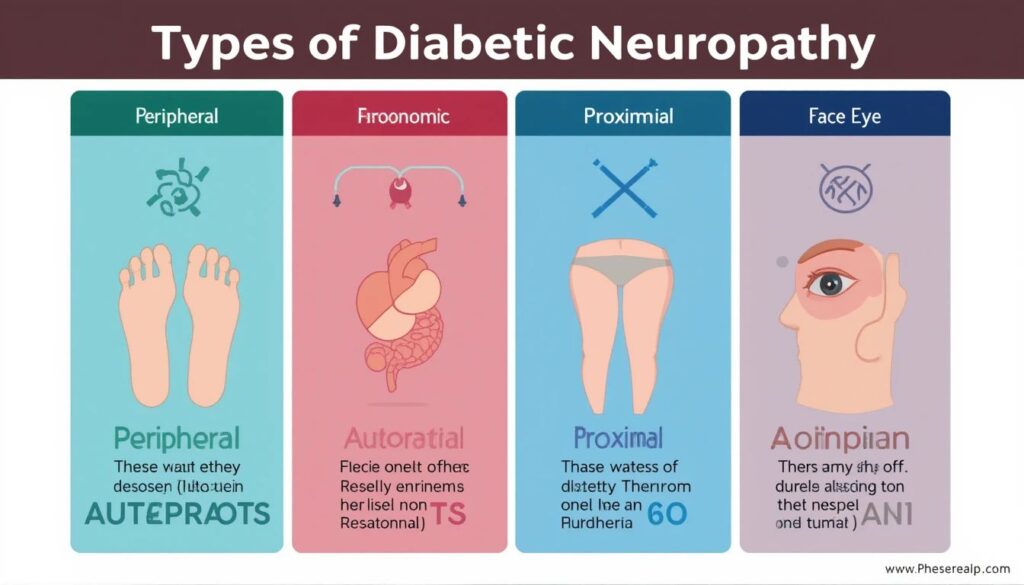
Diabetic Neuropathy is classified into four main types, each affecting the body differently.
- Peripheral neuropathy
- Autonomic neuropathy
- Proximal neuropathy
- Focal neuropathy
Peripheral neuropathy
Peripheral neuropathy is the most common, causing numbness, pain, or tingling in the feet and hands.
Autonomic neuropathy
Autonomic neuropathy impacts involuntary functions, leading to digestive issues, bladder problems, or heart complications.
Proximal neuropathy
Proximal neuropathy affects nerves in the thighs, hips, or buttocks, causing severe pain and muscle weakness, often on one side of the body.
Focal neuropathy
Focal neuropathy develops suddenly, targeting specific nerves, and may cause vision problems, facial paralysis, or pain in isolated areas.
Recognizing these types helps in better diagnosis, treatment, and prevention of complications.
Risk Factors and Complications
There are Several factors increase the risk of developing Diabetic Neuropathy. Here are mention some of the factors that leads to neuropathy such as:
- Poorly controlled blood sugar is the leading cause
- Long duration of diabetes and left it untreatend.
- High blood pressure
- High cholesterol
- High obesity and Smoking.
Above all are the risk factors that are involved in diabetic neuropathy and if it not diagnose early and not treat it at early stages it will have serious consiquences some of the complications are mentiond below.
- Including foot ulcers
- Infections, and even amputations due to unnoticed injuries.
- Cause digestive issues
- Bladder problems
- Sexual dysfunction
- Heart rhythm disturbances
Managing these risk factors early is key to reducing complications and protecting long-term health.
Diagnosis & Medical Tests
For a better and perfect treatment early diagnosis and medical tests are very important. Usually doctors diagnosis with physical examination like they get the medical history from the patient, further they check the patient with physical examination.
In physical examination, doctors often check for common symptoms such as numbness, tingling, pain, or weakness in the feet and hands.
A neurological exam may include reflex testing, muscle strength evaluation, and sensory tests like the monofilament exam, vibration tuning fork, or temperature sensitivity.
In some cases, advanced tests such as nerve conduction studies or electromyography (EMG) are used to measure nerve and muscle function. Blood tests may also help rule out other causes of neuropathy. Early and accurate diagnosis is essential to prevent further nerve damage.
Treatment Options
While Diabetic Neuropathy cannot be completely cured, several treatment options can help manage symptoms and slow down its progression.
There are few treatment options each option works differently for any individual, so adopt the options which suits you and give you proper relief.
- Medication
- Change Lifestyle
- Natural Remedies

Medication – Medications are often prescribed to control nerve pain, such as antidepressants, anticonvulsants, or pain relievers. In some cases, topical creams or patches may provide localized relief.
Change Lifestyle -Alongside medication, adopting a healthy lifestyle is essential. This includes maintaining stable blood sugar levels, following a balanced diet, exercising regularly, and avoiding smoking or excessive alcohol. Proper foot care is also crucial to prevent ulcers and infections.
Natural Remedies – additionally, some people find relief through natural remedies such as alpha-lipoic acid, vitamin B12 supplements, or acupuncture, though these should be used under medical guidance. Stress management and quality sleep further support nerve health.
Combining medical treatment with lifestyle changes and safe natural approaches provides the best strategy to improve comfort, protect nerve function, and enhance overall well-being.
Prevention Tips
Although Diabetic Neuropathy cannot always be avoided, adopting healthy habits can greatly reduce the risk and slow its progression. Key prevention tips include:
- Maintain stable blood sugar levels through regular monitoring and proper medication.
- Follow a balanced diet rich in whole grains, lean proteins, and vegetables.
- Exercise regularly to improve circulation and nerve health.
- Quit smoking and limit alcohol, as both worsen nerve damage.
- Monitor your feet daily for cuts, blisters, or infections.
- Manage blood pressure and cholesterol with healthy lifestyle choices.
- Schedule regular checkups for early detection and treatment.
Final Thoughts
Diabetic Neuropathy is a serious complication of diabetes that can affect many aspects of life, from mobility to overall health.
While nerve damage cannot be fully reversed, early detection, proper treatment, and consistent blood sugar control can significantly slow its progression.
By understanding the causes, symptoms, and available treatment options, people with diabetes can take proactive steps to protect their nerve health.
Simple lifestyle changes, regular checkups, and careful self-care especially foot care make a big difference. With the right approach, it is possible to manage Diabetic Neuropathy effectively and maintain a better quality of life.