
Diabetic Neuropathy is a common problem among people with diabetes. Every person who has diabetes, and whose sugar is not well controlled, will almost certainly develop one or two of the four main types of Diabetic Neuropathy.
The worrying part is that most patients are not even aware of this condition, nor do they know what needs to be done for its treatment.
Since Diabetic Neuropathy is such a common issue among diabetic patients, everyone should know about its four types. That’s why this article will cover the Types of Diabetic Neuropathy and filled with all the essential information you need.
So, read it till the end and make your difficulties easier to manage.
What is Diabetic Neuropathy?
So, what is neuropathy? First of all, you should know about it. In reality, when blood sugar remains high for a long time and is not controlled, it slowly starts damaging the patient’s blood vessels and nerves.
Commonly, neuropathy begins in the hands and feet, causing numbness, swelling, and burning sensations in the feet. Because of this, the patient often feels worried and is unable to perform daily tasks properly.
However, if it is diagnosed in its early stages, treatment is possible and the patient can find relief. Now, let’s talk about its types and how they damage the patient.
Major Types of Diabetic Neuropathy
There are mainly 4 types of Diabetic Neuropathy, and we will discuss each type in detail so that you can understand them easily. Here are the types:
- Peripheral Neuropathy (Most Common)
- Autonomic Neuropathy
- Proximal Neuropathy (Diabetic Amyotrophy)
- Focal Neuropathy (Mononeuropathy)
1. Peripheral Neuropathy (Most Common)
Peripheral Neuropathy is a common type of diabetic neuropathy that affects many people with diabetes. This type of neuropathy damages the nerves outside the brain and spinal cord, especially in the hands, feet, arms, and legs.

Peripheral Neuropathy damages mainly two types of nerves:
- Sensory nerves
- Motor nerves
Sensory nerves – The sensory nerves are responsible for allowing a person to feel touch, pain, temperature, and vibration. When these nerves become damaged, people with diabetes experience problems and discomfort in all these sensations.
Motor nerves – These nerves are responsible for movement and muscle control in the limbs. When they become damaged, the patient experiences difficulty in movement.
Common Symptoms
Peripheral Neuropathy has some common symptoms that can help patients recognize what problem they are facing. Although this condition causes a lot of difficulties, patients often cannot walk properly or sleep well, and they feel restless most of the time. Below, some of the common symptoms are explained in detail.
Numbness – In this condition, patients experience reduced sensation in their hands and feet, numbness develops, and it usually starts from the fingers and then progresses upward.
Tingling or “pins and needles” – This is a condition in which the patient feels tingling and pain in the hands and feet, which causes discomfort. Because of this, the patient cannot sleep properly and remains restless throughout the day.
Burning or sharp pain – In this condition, the patient feels burning sensations in the hands and feet, especially at night. Because of this, the patient’s sleep is disturbed and they experience a lot of restlessness.
Increased sensitivity – This is a condition in which the patient’s hands and feet become overly sensitive, and even a slight touch causes pain.
Muscle weakness – Due to Peripheral Neuropathy, the muscles in the patient’s hands and feet become very weak, making it difficult for them to walk, and body movements cause pain.
Risks and Complications
Peripheral Neuropathy is very dangerous because it makes the muscles very weak, and patients experience numbness in their hands and feet.
Due to this numbness, they may not even feel a small minor cut. Such cuts take a long time to heal because, in Peripheral Neuropathy, wounds do not heal quickly, which increases the risk of infections.
It can also lead to foot ulcers when wounds don’t heal and remain unnoticed. All of this happens due to Peripheral Neuropathy.
Why awareness is important
Awareness about Peripheral Neuropathy is very important because diagnosing it in the early stages and starting treatment is easier, and the patient can be saved from many complications.
Along with this, proper care also plays a very important role, such as proper hand and foot care, blood sugar control, regular exercise, and routine check-ups.
2. Autonomic Neuropathy
Autonomic neuropathy is a type of diabetic nerve damage that affects the nerves controlling the body’s internal organs. This neuropathy not effect the hands and feet but damages your internal organs which is very dangerous for the patient because Autonomic Neuropathy disturbs your overall health.

As it’s name Autonomic Neuropathy, this condition disrupts automatic functions of the body such as:
- Digestion,
- Bladder control
- Blood pressure,
- Heart rate,
- Sexual function.
This type of Neuropathy has some common symptoms like:
- Nausea
- Constipation
- Diarrhea
- Urinary problems
- Dizziness when standing up
- Erectile dysfunction in men
One of the biggest risks is “silent” heart attacks, which occur without warning signs due to nerve damage. Digestive complications are also frequent, making daily life difficult for patients if left untreated.
3. Proximal Neuropathy (Diabetic Amyotrophy)
Proximal neuropathy, also known as diabetic amyotrophy, is a rare but serious form of diabetic neuropathy. This type of neuropathy damages the nerves in the thighs, hips, buttocks, and legs.
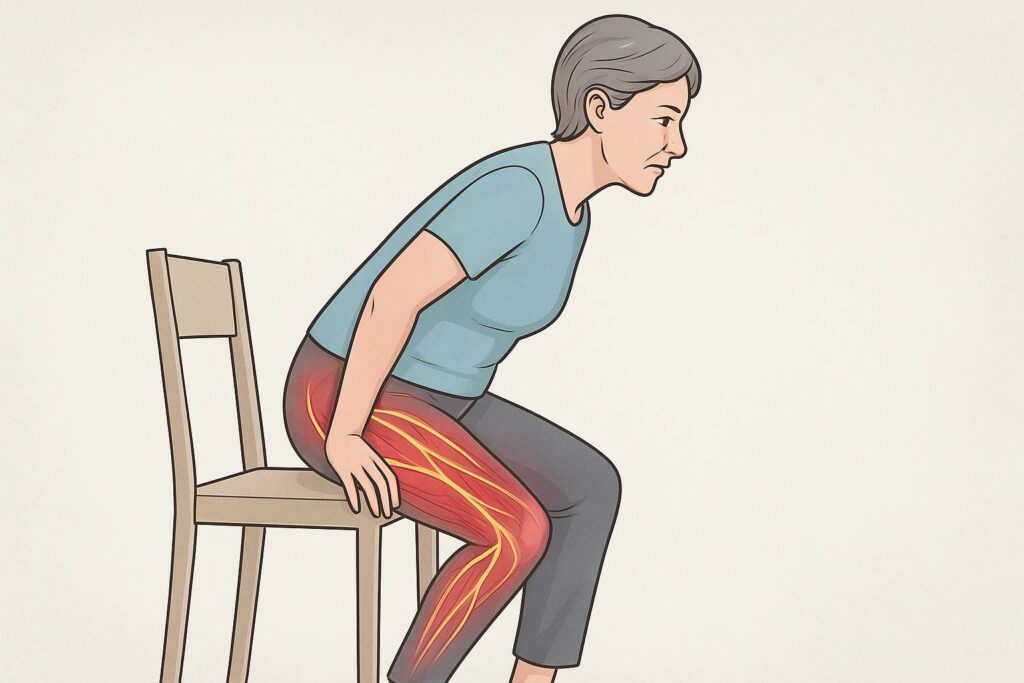
Unfortunately, in Pakistan many patients are not even aware of neuropathy or its different types, which is why they do not get proper treatment.
Because of this condition, the legs become very weak, and the muscles lose strength, making it difficult to walk, climb stairs, or move without support. Many patients need assistance just to walk.
However, if there is awareness about the types of neuropathy and timely treatment is provided, patients can recover and live a more comfortable life.
4. Focal Neuropathy (Mononeuropathy)
Focal neuropathy, also known as mononeuropathy, occurs when diabetes suddenly damages a single nerve. Unlike other types that affect multiple nerves, this one strikes quickly and is often very painful.

It commonly affects nerves in the face, eyes, torso, or legs. Symptoms depend on the nerve involved and may include double vision, Bell’s palsy (sudden weakness on one side of the face), carpal tunnel syndrome, or sharp pain in a specific area.
Although symptoms can be frightening, focal neuropathy usually improves on its own within weeks or months. Good diabetes management helps speed recovery and prevent recurrence.
Managing and Preventing Diabetic Neuropathy
The best way to manage and prevent diabetic neuropathy is by keeping blood sugar levels under control, as high sugar directly damages the nerves.
Lifestyle changes play a major role following a balanced diet, exercising regularly, avoiding smoking and alcohol, and practicing daily foot care to prevent injuries or infections.
Medications such as pain relievers, antidepressants, or anticonvulsants can help reduce nerve pain, while physical therapy may improve strength and mobility.
Regular checkups with a doctor are important to detect early signs. With proper care, patients can slow nerve damage and improve their quality of life.
Final Thoughts
In this complete article, the four types of Diabetic Neuropathy have been explained in a very simple and detailed way. Unfortunately, in Pakistan there is very little awareness about Diabetic Neuropathy, which is why many people continue to suffer silently.
Most patients only visit a doctor when the pain and discomfort become unbearable. That is why it is essential for people with diabetes to control their sugar levels through a proper diet, regular exercise, and daily foot care.
Whenever any issue arises, they should immediately consult a doctor, because early diagnosis and proper treatment can protect them from neuropathy and bring peace to their lives.
Another important point is that if you don’t understand your condition, you must share your difficulties with your family so they realize the seriousness and take you to a doctor.
Remember, Diabetic Neuropathy can be managed with proper treatment, exercise, and care. So, don’t delay—seek treatment and don’t be afraid.